UK Incorporation Fees Increased for 2026
Companies House raised its fees on 1 February 2026. Here is what it now costs to form and run a UK company, and why there is no HMRC incorporation fee.
 6 min read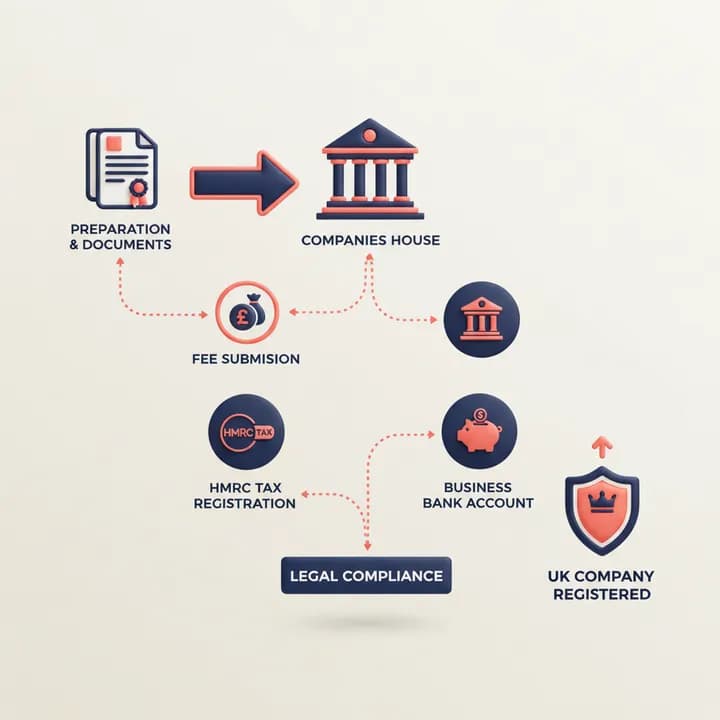
UK incorporation fees are often misunderstood, especially the so-called HMRC incorporation fee. The charge for forming a UK company is paid to Companies House, not HMRC, and on 1 February 2026 Companies House increased its fees for the second time in less than two years.
This guide sets out the current fees, explains what changed, why it happened, and what the increase means if you are forming or running a UK limited company.

Is this a new barrier for UK startups?
The cost of incorporation has gone up, and that is unwelcome for founders on a tight budget. But in context, the increase is small. Forming a company online still costs GBP 100 in government fees, and the benefits of a limited company, including limited liability, a separate legal identity and credibility with banks and partners, have not changed. The UK also remains one of the fastest registries in the world, with most online applications processed within 24 to 48 hours.
The new Companies House fees from 1 February 2026
The most visible change is that the standard online incorporation fee doubled from GBP 50 to GBP 100. The confirmation statement fee, which every company pays each year, rose from GBP 34 to GBP 50 when filed online.
Current fees for the most common filings:
- Incorporation (online or software): GBP 100, previously GBP 50
- Incorporation (paper): GBP 124
- Same-day incorporation (software filing): GBP 156, previously GBP 78
- Confirmation statement (online or software): GBP 50, previously GBP 34
- Confirmation statement (paper): GBP 110
- Change of company name (online): GBP 20, or GBP 85 for same-day
- Voluntary strike off (online): GBP 13, reduced from GBP 33
Fees are charged according to the date a filing is submitted. A confirmation statement filed after 1 February 2026 pays the new fee, even if its made-up date is earlier. For the full and current list, always check the official Companies House fees page.
How the fees have changed since 2024
Before May 2024, incorporating a company online cost GBP 12 and a confirmation statement GBP 13. The May 2024 round raised these to GBP 50 and GBP 34, and the February 2026 round to GBP 100 and GBP 50. Founders comparing quotes from older articles or price lists should make sure they are looking at current figures.
UK incorporation fees: the myth of the HMRC incorporation fee
HMRC (His Majesty's Revenue and Customs) does not charge any fee to incorporate a company or to register it for tax. The two bodies have different roles:
- Companies House registers the company. You file the application to register a company (form IN01 or the online equivalent) and pay the incorporation fee. Once approved, the company exists as a legal entity.
- HMRC handles tax. After incorporation, HMRC sends the company a Unique Taxpayer Reference, and you must register for Corporation Tax within three months of starting to do business. VAT registration and PAYE for employers are separate processes. None of these registrations carries a fee.
Paying an accountant or formation agent to handle HMRC registrations is a service charge, not a government fee. Our guide to tax numbers specific per country explains what a UTR, VAT number and company registration number each do.
Why the Companies House fee increase is happening
- Cost recovery: Companies House sets fees to cover the cost of running its services rather than relying on taxpayer funding.
- New powers under ECCTA: the Economic Crime and Corporate Transparency Act gave Companies House the power to query and reject information, remove false entries and share data with law enforcement. Part of the fee income funds this work and related enforcement by the Insolvency Service.
- Identity verification: directors and people with significant control now have to verify their identity, which requires new systems and checks.
The aim is a more reliable public register. For legitimate businesses, a cleaner register makes UK companies more trusted by banks and counterparties, which is part of why the UK still features in our list of the best places to incorporate a company.
Step-by-step: how to register your UK company
- Choose a company name and structure. The name must be unique on the register. Most founders choose a private company limited by shares.
- Appoint directors and shareholders. You need at least one director (a natural person aged 16 or over) and one shareholder, who can be the same person.
- Verify identities. Directors and people with significant control must complete identity verification.
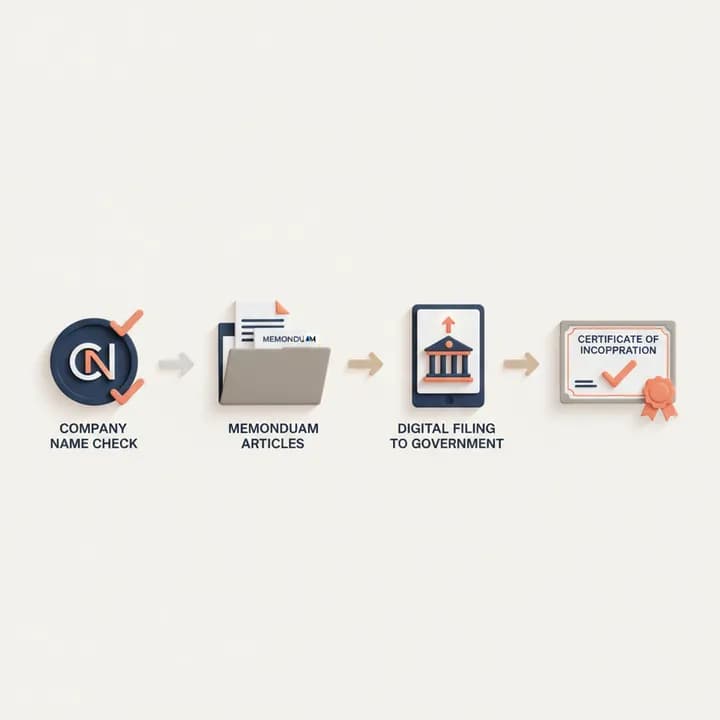
- Prepare the memorandum and articles of association. Most small companies use the model articles.
- File the application with Companies House and pay the GBP 100 fee. You receive a Certificate of Incorporation and company registration number.
- Register for Corporation Tax with HMRC within three months of starting to do business. This is free.
Our comprehensive guide to registering a company in the UK covers each step in more detail.
Common pitfalls to avoid
- Incorrect officer details: inconsistent names, dates of birth or addresses are a common reason applications are rejected or delayed.
- Sensitive words in the company name: words such as "Bank", "Royal" or "Chartered" need supporting evidence or approval.
- Forgetting annual filings: the confirmation statement is due at least once every 12 months and annual accounts must be filed on time. Late accounts trigger automatic penalties, and at GBP 50 the confirmation statement is now a bigger line in the budget.
- Budgeting only for the incorporation fee: also plan for a registered office address, accounting, the yearly confirmation statement and a business account.
Glossary of key terms
- Companies House: the UK government body that registers companies and keeps the public register.
- HMRC: the UK's tax, payments and customs authority.
- Incorporation: the legal process of forming a company as a separate legal entity.
- Memorandum of association: a statement signed by the first shareholders agreeing to form the company.
- Articles of association: the rules for running the company.
- Confirmation statement: an annual filing confirming that the company's details on the register are up to date.
What it costs to form a UK company with WeForm
WeForm's UK Standard package is GBP 175 and includes the Companies House setup fee, so the February 2026 increase does not add anything on top. The package covers the name check, incorporation documents, electronic filing with Companies House, the Certificate of Incorporation and company registration number, and a UK registered office for 12 months. Renewal is GBP 150 per year, with no hidden fees. Every package also includes assistance with opening a payment account through our banking services.
See the details on our UK company formation page or start your application online.
FAQ
Does HMRC charge a fee to incorporate a company?
No. HMRC does not charge for incorporation or for registering a company for Corporation Tax. The incorporation fee is paid to Companies House.
When did the GBP 100 incorporation fee take effect?
On 1 February 2026. It applies to online and software filings; paper applications cost GBP 124.
How much is the confirmation statement fee now?
GBP 50 when filed online or through software, and GBP 110 on paper. It is payable once in each 12-month period.
Is it still worth forming a limited company?
For most businesses, yes. Limited liability, a separate legal identity and easier access to business accounts usually outweigh a one-off GBP 100 fee. Whether it suits you depends on your plans, so take professional advice if you are unsure.
How long does UK company formation take?
Online applications are usually processed within 24 to 48 hours. A same-day service is available for software filings at GBP 156.
What other costs should I budget for?
A registered office address, accounting and tax filings, the annual confirmation statement and any licences your business needs. Compare the running costs of other jurisdictions on our jurisdictions page.