The fundamental steps to Getting Started with a New Company
A practical, step-by-step path from business idea to trading company: planning, funding, choosing a structure and jurisdiction, legal setup, banking and first customers.
 6 min read
Starting a company for the first time can feel overwhelming. There are ideas to test, money to find, legal steps to complete and customers to win, often all at once. The good news is that the process follows a clear order. These are the fundamental steps to getting started with a new company, from the first idea to the day you are ready to trade.
1. Start with a clear idea and validate it
A business starts with a problem that people will pay to solve. You do not need a completely new invention; many successful companies improve an existing product or service by:
- adding features customers are asking for
- serving a market that existing providers ignore
- making something cheaper, faster or easier to use
- finding a new use for an existing product
Before you invest heavily, test demand. Talk to potential customers, look at what competitors charge, and if possible take a few paid orders or pre-orders. Real sales are the best evidence your idea works.
2. Write a business plan
A business plan does not need to be long, but it should answer the key questions: what you sell, who buys it, how you reach them, what it costs to deliver and when you expect to make a profit. Include a simple cash flow forecast for the first 12 to 24 months.
The plan helps you think clearly, and it is also what banks, investors and some payment providers will ask to see. A short description of your business model and expected transactions is a standard part of most business account applications.
3. Work out your funding
Every business has different startup costs. Common funding sources include:
- personal savings
- friends and family
- bank loans or credit lines
- angel investors
- venture capital, for businesses built to scale quickly
- grants or government-backed schemes, depending on the country
- revenue from early customers
Running out of cash is one of the most common reasons young businesses close. Budget for at least several months of fixed costs, factor in interest on any borrowing, and track spending from day one with accounting software.
4. Choose the right legal structure
Decide whether you will operate as a sole proprietor, a partnership or a limited company. A limited company separates your personal assets from the business, makes it easier to bring in partners or investors, and is often expected by larger clients and payment providers. Our article on sole proprietorship vs limited liability company compares the two most common options, and our guide to company structure types covers the rest.
5. Choose where to incorporate
If you trade internationally or work remotely, you have a choice of jurisdiction. Consider:
- Tax: how the company is taxed, and how you are taxed personally where you live
- Reputation: how banks, clients and partners view the jurisdiction
- Cost and admin: setup and renewal fees, annual filings and audit requirements
- Banking: how easy it is to open a business account for that type of company
- Speed: how quickly the company can be registered
For a comparison of popular options, read our guide to the best places to incorporate a company.
6. Complete the legal setup
Before you can trade properly, work through the legal essentials:
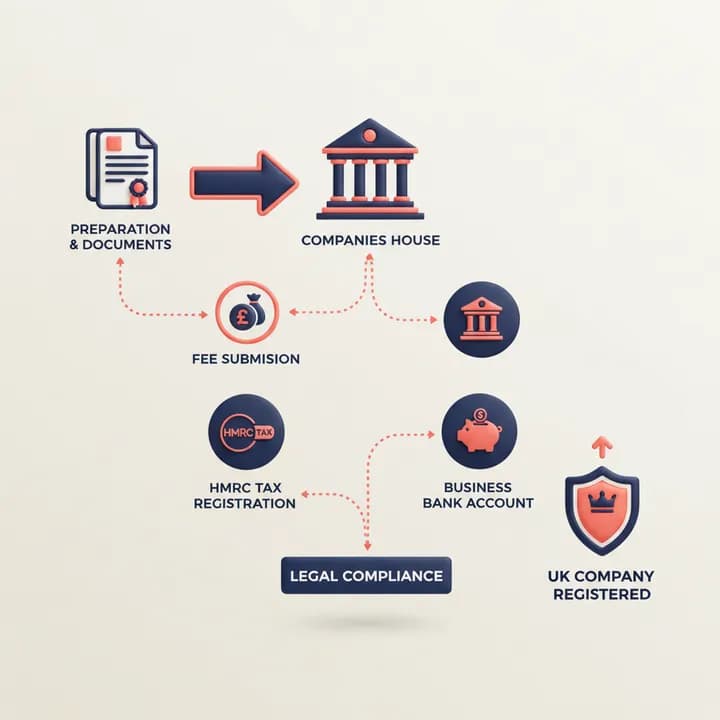
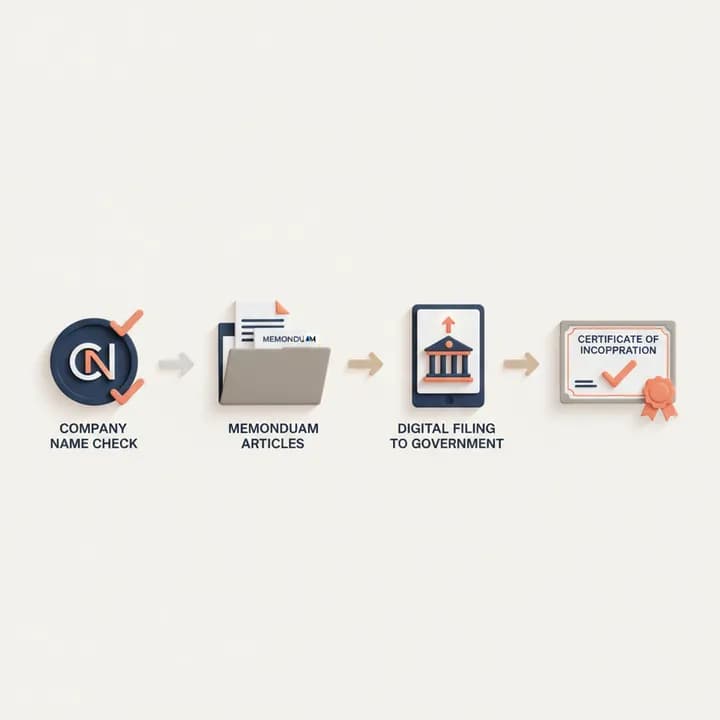
- check that your company name is available and register the company
- appoint directors and issue shares to the shareholders
- arrange a registered office and, where required, a registered agent or company secretary
- register for the relevant taxes and get your tax numbers (see tax numbers by country)
- obtain any business licence or permit your activity needs
- protect your brand with a trademark if it matters to your business
- prepare contracts and terms for customers and suppliers
Once the company exists, the directors have ongoing legal duties, including keeping records and filing annual returns or accounts on time.
7. Open a business account and set up payments
Keep company money separate from personal money from the start. You will need a business account in the company's name and, if you sell online, a way to accept card and local payments. International businesses often benefit from a multi-currency account so they can receive and pay in several currencies. Our guide to opening a multi-currency business account walks through the process.
8. Build your team and advisers
Few founders can do everything alone. Decide early who you need:
- co-founders or partners
- employees, contractors or remote freelancers
- an accountant or tax adviser
- a lawyer for contracts and intellectual property
- an insurance broker, if your activity carries risk
Put agreements in writing, especially between co-founders: who owns what, who does what, and what happens if someone leaves.
9. Set up your workspace and online presence
Decide whether you need physical premises. Renting is usually more flexible than buying at the start, and many companies now operate remotely with no office at all.
Almost every business needs a website. It lets customers find you, read about your products and buy at any hour from anywhere. Add basic search engine optimisation, claim your business profiles and be active on the social channels your customers use. If you sell online, read things most e-commerce businesses miss when starting out.
10. Plan your marketing and win your first customers
Marketing does not have to be expensive, but it has to be deliberate. Define who your ideal customer is, where they spend time and what message will make them act. Useful early tactics include:
- direct outreach to potential clients in your network
- content that answers your customers' questions
- introductory offers, demos or samples
- referrals and reviews from happy customers
Loyal customers bring repeat sales and recommendations. Deliver consistently, ask for feedback and act on it.
11. Plan for the unexpected
Young companies change fast. Keep a cash reserve, review your plan regularly and be ready to adjust your product, pricing or market as you learn. Hire people who are comfortable with change, and keep listening to customers and suppliers.
How WeForm helps you get started
WeForm handles the legal setup online. You choose a jurisdiction, complete the application wizard, verify your identity online and sign documents electronically. Your corporate documents arrive in your dashboard, along with a compliance calendar and invoicing tools. Every package includes the registered office and government fees for setup for the first year, with no hidden fees, plus help opening a business account with supported financial institutions through our banking services.
We form companies in the United Kingdom, Hong Kong, Seychelles, the Marshall Islands, Costa Rica and IFZA Dubai. Compare them on our jurisdictions page or start your application today.
FAQ
What is the first step in starting a company?
Validate your idea. Make sure there are customers willing to pay before you spend money on registration, branding and premises.
How long does it take to register a company?
It depends on the jurisdiction. A UK company is usually registered by Companies House within 24-48 hours of filing, while other jurisdictions take from one to around ten business days.
Do I need a business plan to start a company?
You can register a company without one, but a plan helps you manage cash and is usually requested by lenders, investors and some banks.
Can I start a company in another country remotely?
Yes. Many jurisdictions allow non-residents to form a company, and the whole process, including identity checks and document signing, can be completed online.