Best Countries to Incorporate for Digital Nomads
Where should a location-independent founder register a company? Six jurisdictions compared for digital nomads, plus the tax residence questions to settle first.
 6 min read
Remote work has made it normal to run a business from a laptop: from home, a co-working space in Lisbon or a café in Bali. For freelancers and founders who move between countries, one question comes up quickly: where should the business itself be registered?
There is no single best country for every digital nomad. The right choice depends on where your clients are, how you get paid, which banks you need and, above all, where you are personally tax resident. This guide covers the questions to settle first and then compares six jurisdictions that work well for location-independent businesses.
Why digital nomads incorporate a company
Many digital nomads start as freelancers on platforms like Upwork or Fiverr and later set up a company. Common reasons:
- Separating business and personal finances and limiting personal liability.
- Credibility with clients: larger clients often prefer to contract with a company rather than an individual.
- Better payment options: a company can open business and multi-currency accounts and accept card payments.
- A stable base that does not change every time you move.
- Residence options: in some jurisdictions, such as the UAE, a company can sponsor your residence visa.
Settle your tax residence first
Registering a company abroad does not on its own change where you pay personal tax. Most countries tax you based on where you live, often using a test such as spending 183 days a year there, having a permanent home or your centre of vital interests. Some also tax residents on profits of foreign companies they control, or treat a company as resident where it is managed day to day.
Before choosing a jurisdiction, work out where you will be tax resident and get advice there. Our article on tax numbers specific per country explains the identifiers you will come across.
Best countries to incorporate for digital nomads
1. United Kingdom: credibility and easy banking
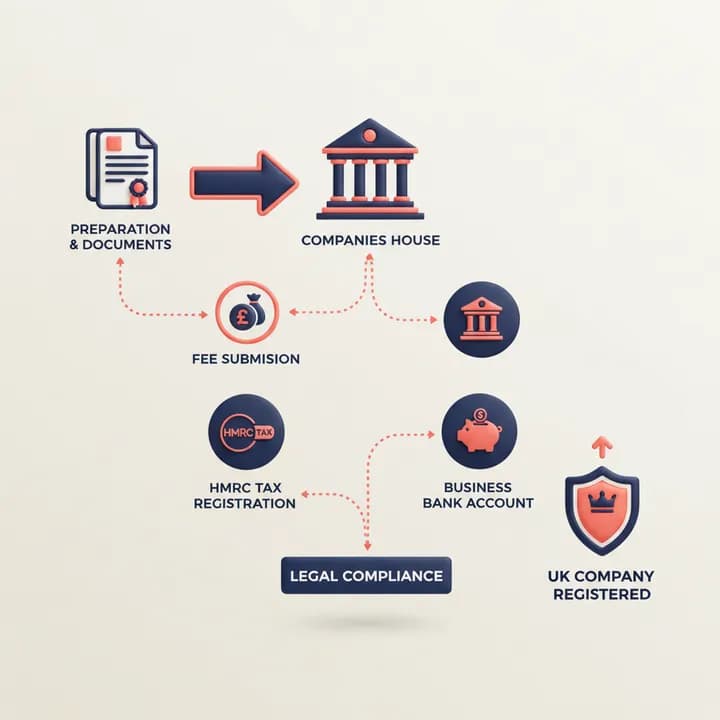
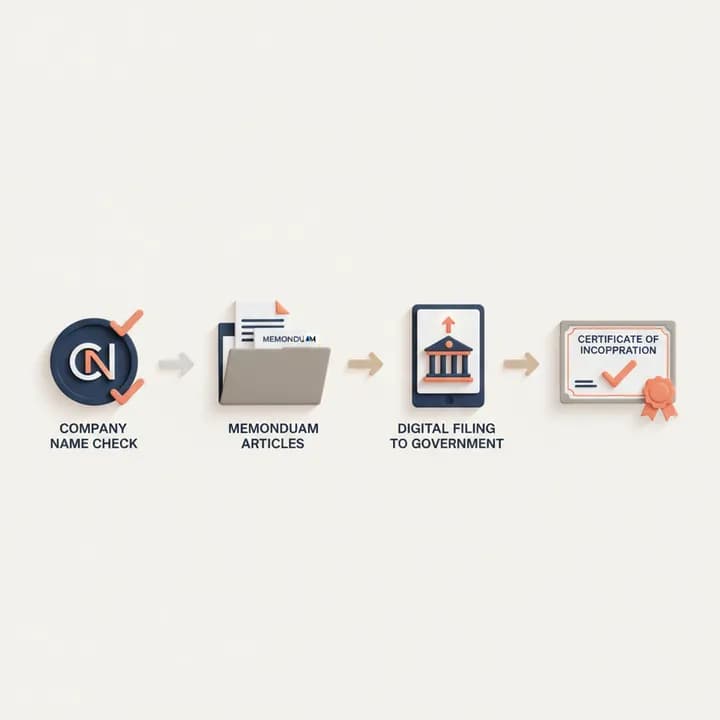
A UK private limited company is one of the most recognised business structures in the world. Non-residents can own 100% of it, one person can be both director and shareholder, and Companies House usually registers a new company within 24 to 48 hours. UK companies have broad access to digital banks, EMIs and payment providers, which matters when your clients pay by card or bank transfer from around the world.
The trade-off is tax: a UK company pays corporation tax on its profits and files annual accounts and returns. It suits nomads who value credibility and simple payments over the lowest possible tax. See our guide to registering a company in the UK or go straight to UK company formation.
2. UAE (IFZA Dubai): a company plus a residence visa
For nomads who want a home base, the UAE is a strong option. An IFZA free zone company in Dubai offers 100% foreign ownership, 0% corporate tax on qualifying income and the option of UAE residence visas for owners. The UAE does not levy personal income tax, which makes it attractive for founders ready to make Dubai their main base. Registration takes around 5 business days. Read more about IFZA company formation.
3. Hong Kong: a gateway to Asia
Hong Kong taxes only profits sourced in Hong Kong, has a mature banking sector and is a natural base for nomads working with clients and suppliers in Asia. A private limited company is typically registered in 1 to 3 business days. Expect annual audited accounts and profits tax filings.
4. Seychelles: a simple, low-cost international company
A Seychelles International Business Company (IBC) is quick to set up, allows a single director and shareholder, and is taxed on a territorial basis. It suits consultants and online businesses whose clients are outside Seychelles. Note that IBCs must keep accounting records in Seychelles, and banking requires good preparation.
5. Marshall Islands: flexible and private
A Marshall Islands non-resident corporation pays no tax on income earned outside the islands, keeps ownership records private and runs on corporate law modelled on Delaware's. It is used mainly for holding and international trading structures. As with Seychelles, plan for detailed due diligence when opening accounts.
6. Costa Rica: a Latin American base
Costa Rica taxes on a territorial basis and allows 100% foreign ownership of an S.R.L. or S.A. It also offers a remote worker stay for people earning foreign-source income, currently requiring at least USD 3,000 a month for an individual applicant, which makes it popular with nomads who want to live in Central America. Company registration takes 5 to 10 business days.
What about Estonia and Bulgaria?
Estonia's e-Residency and Bulgaria's low corporate tax rate are often mentioned in digital nomad guides. Both are EU options with their own requirements, such as local accounting, a contact person or registered address and EU reporting rules. WeForm does not form companies in either country; if you need an EU company, check the rules with a local provider.
Getting paid while you travel
For a nomad business, the company is only half the setup. You also need accounts that work from anywhere: multi-currency balances, local receiving details in your clients' currencies and cards that work abroad. Read about electronic payment trends in the digital nomad era, our guide to multi-currency business accounts and our pick of the best digital banking apps for freelancers.
Every WeForm package includes help opening a payment account with supported banks, EMIs and payment providers; see our banking services.
Checklist before you incorporate
- Where will you be tax resident this year and next?
- Where are your clients, and which currencies do they pay in?
- Do you need a residence visa through your company?
- Which banks and payment providers do you need?
- How much annual compliance (accounts, audits, filings) can you handle?
- Do you need a registered address that is separate from your home address? See registered address vs service address.
Compare prices and requirements on our jurisdictions page, or start your application online. The whole process is remote, so you can do it from wherever you are. Questions? Contact us.
FAQ
What do digital nomads do?
Digital nomads work remotely using a laptop and an internet connection while travelling or living in different countries. Typical work includes software development, design, marketing, writing and consulting.
Is it legal to be a digital nomad?
Yes, but you must respect visa rules. A tourist visa usually does not allow work, which is why many countries now offer digital nomad or remote worker visas.
Can I register a company without living in that country?
Yes. All six jurisdictions above allow non-resident owners and directors, and WeForm handles registration fully online.
Does a foreign company mean I pay no tax?
No. Your personal tax depends on where you are tax resident, and the company may be taxed where it is managed. Take professional advice for your situation.